Rhythm of Two Shores – spiritul prieteniei dintre Sri Lanka și India pe scena Namaste India
Namaste India, Romania’s largest festival dedicated to Indian culture, has for more than a decade served as an authentic platform for cultural dialogue between Asia and the Romanian public. Organized by the Rabindranath Tagore Cultural Centre under the auspices of the Embassy of India in Bucharest, the festival celebrates intercultural exchange through music, dance, spirituality, visual arts, traditional crafts, cuisine, and living heritage. Held in the beautiful setting of the „Dimitrie Brândză” Botanical Garden in Bucharest, the 2026 edition brought together artists and performers from several Asian countries, highlighting not only the richness of Indian culture but also its connections with the diverse artistic traditions of Asia. This year’s edition also commemorated the centenary of Nobel Laureate Rabindranath Tagore’s historic visit to Romania, adding a special cultural dimension to the festival. (namasteindia.ro)
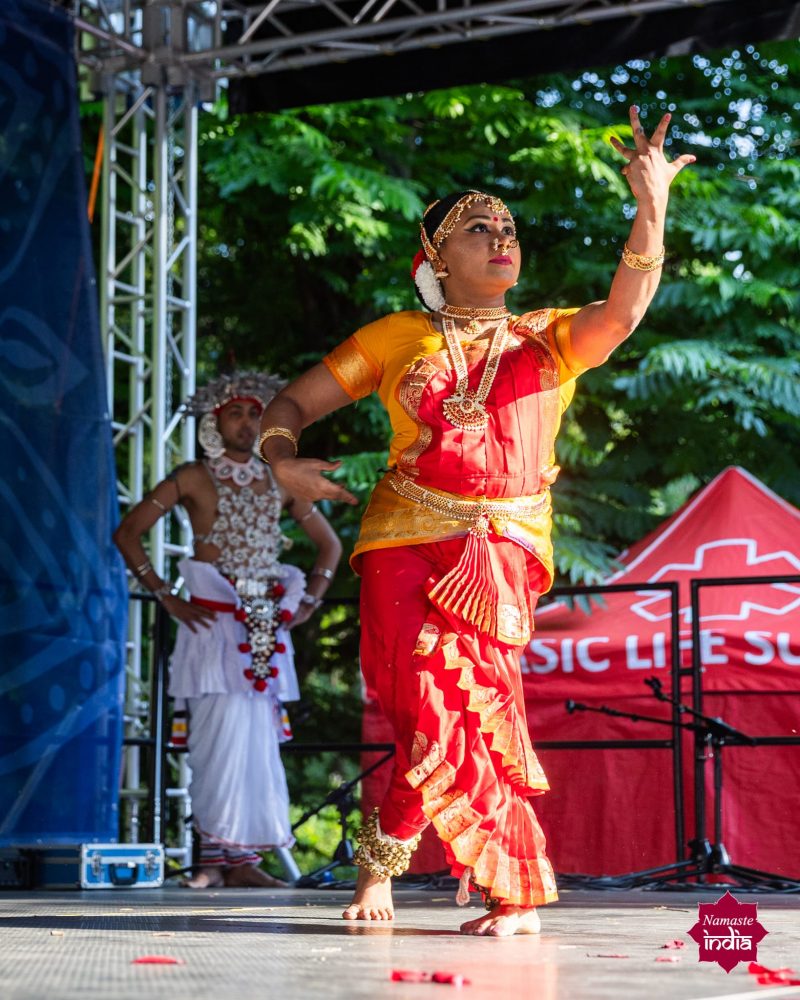
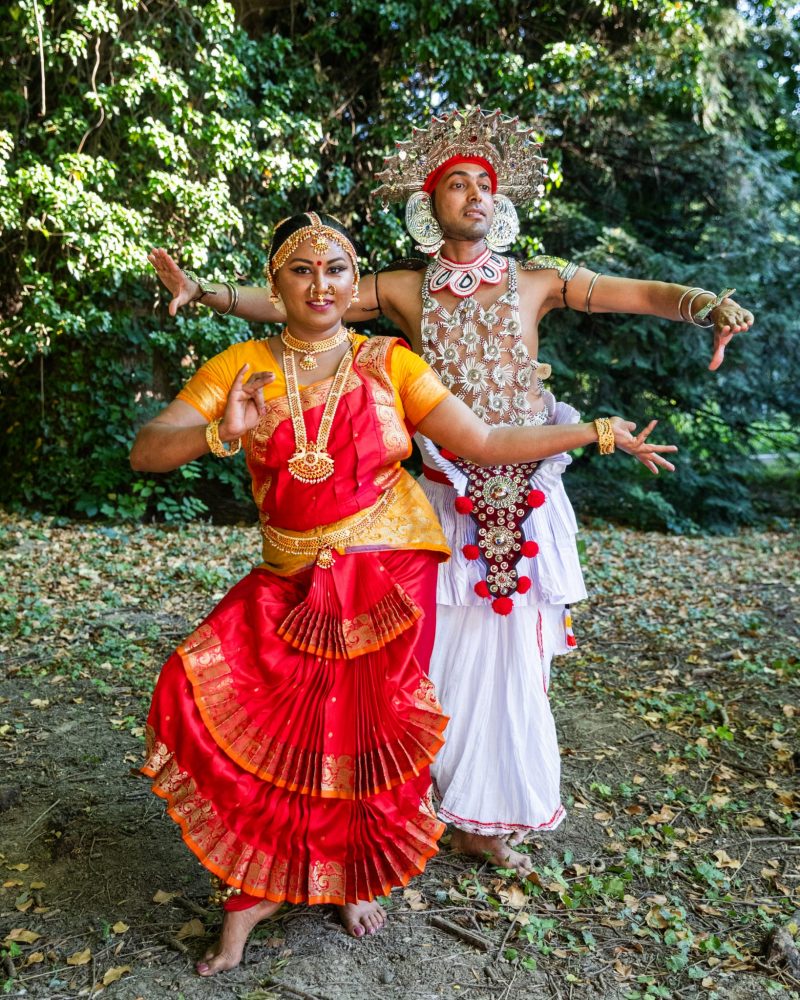
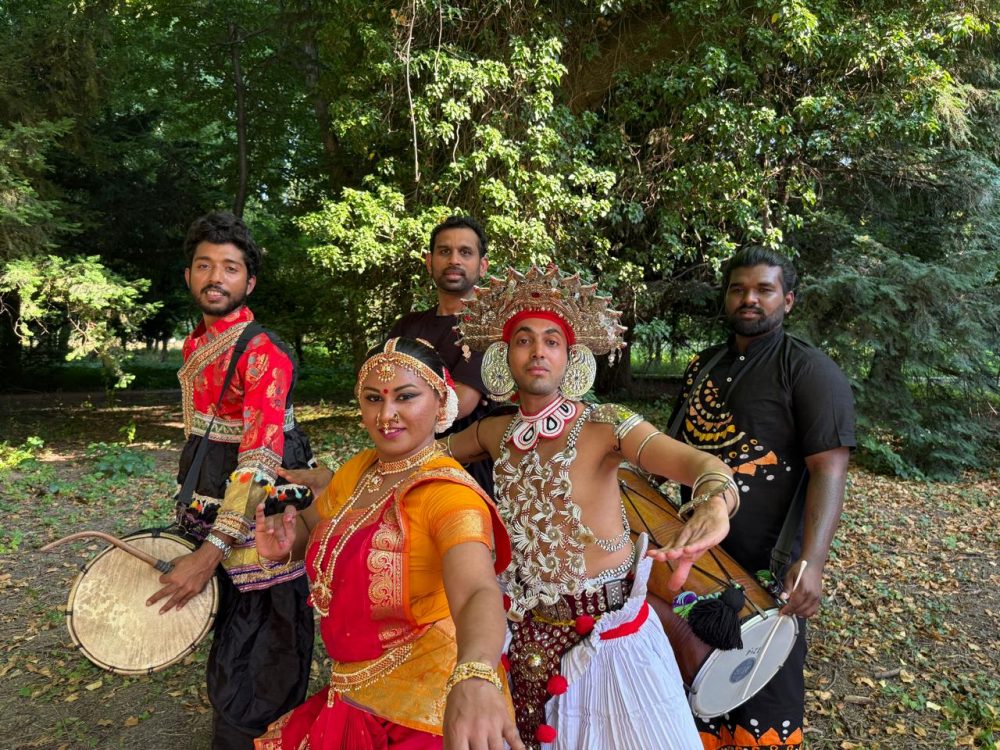
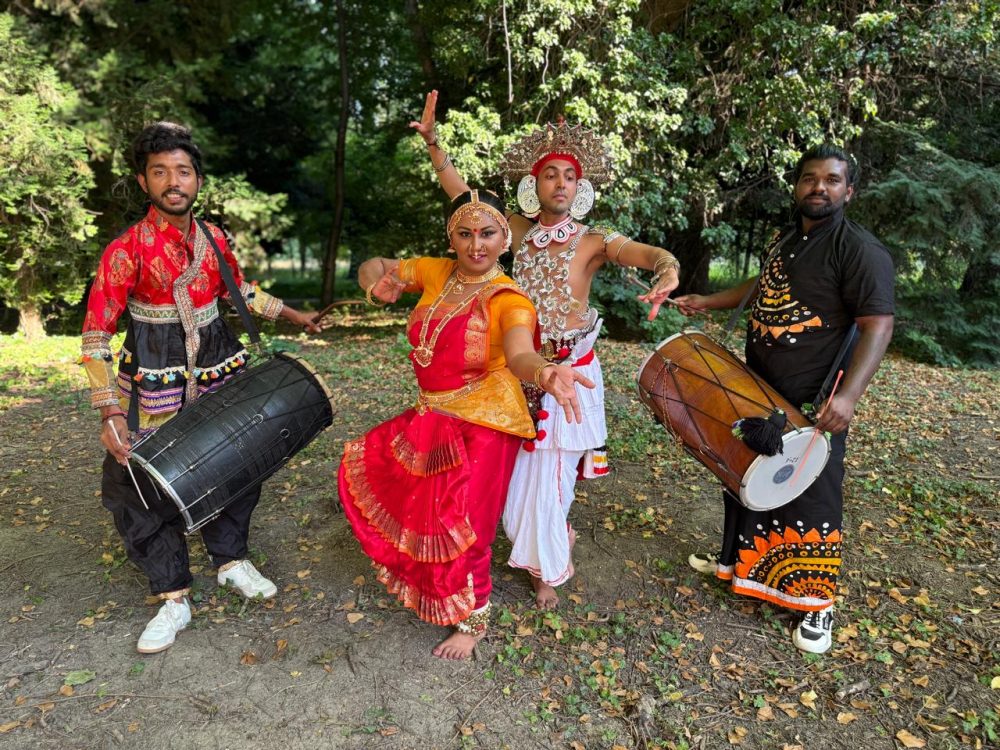
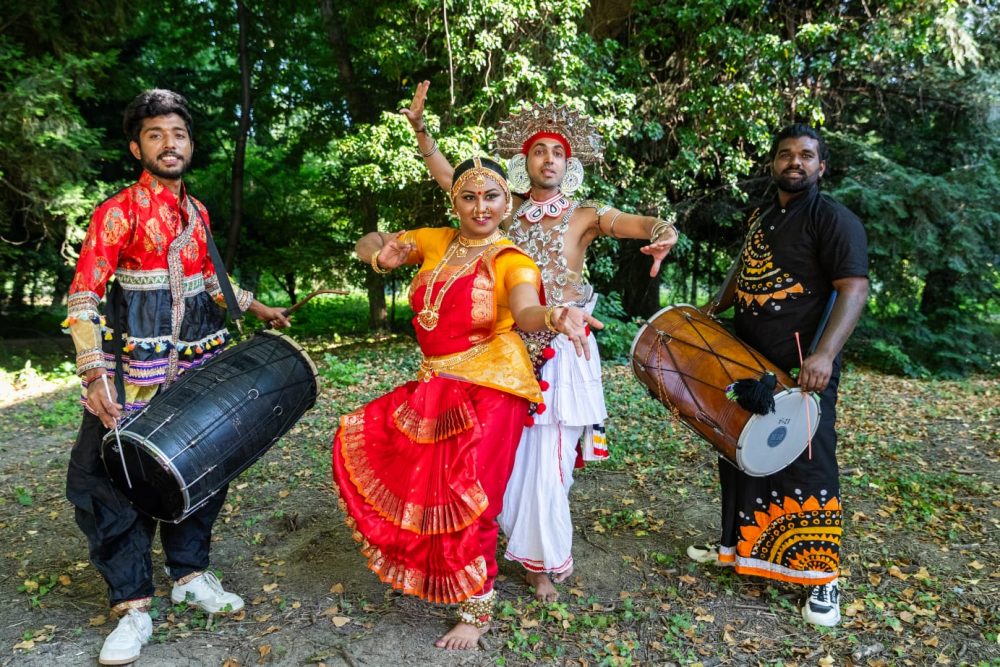
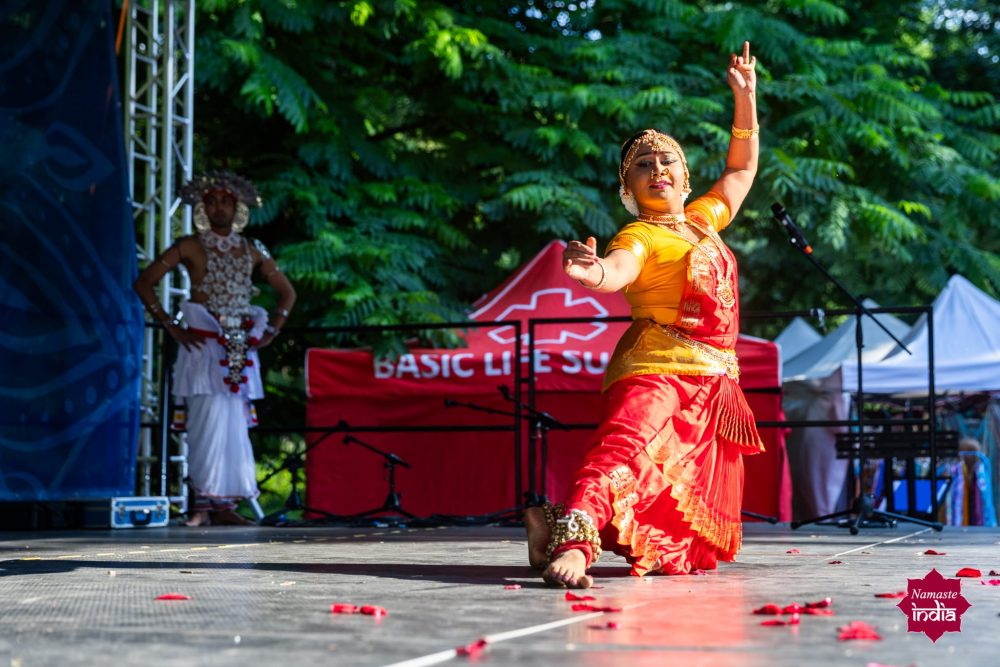
Among the festival’s distinguished international guests was the Sri Lankan dance company led by choreographer Chaminda Mirihagalla, presenting the original production Rhythm of Two Shores. Designed as an artistic dialogue between Sri Lanka and India, the performance explores the shared cultural values of the two nations through the universal language of dance and music, demonstrating how traditional heritage can become a bridge connecting people across borders
Florentin Streche: What is the story behind „Rhythm of Two Shores,” and what message did you want to convey to the audience through this performance?
Chaminda Mirihagalla: Sri Lanka and India share many similarities in their dance and musical traditions. We wanted to celebrate that beautiful connection by presenting it creatively on one stage. Rhythm of Two Shores is our way of showing that although we come from two different countries, our artistic traditions can come together in harmony and create something meaningful.
Florentin Streche: How does this production reflect the cultural heritage of Sri Lanka while engaging in dialogue with other Asian traditions presented at Namaste India?
Chaminda Mirihagalla: Whenever we are invited to perform at an event that celebrates another country’s culture, we believe it is important to respect both their heritage and our own. Rather than presenting only a Sri Lankan or only an Indian performance, we wanted to create one artistic work that brings both cultures together with mutual respect. We believe this kind of collaboration strengthens the friendship between our countries and shows how culture can unite people.
Florentin Streche: What emotions or ideas do you hope spectators take home after experiencing your performance?
Chaminda Mirihagalla: Every culture has its own unique traditions, but we hope our audience realizes that different traditions can come together to create something beautiful. If people leave with a greater appreciation for cultural diversity and the idea that art can connect people beyond borders, then we have achieved our goal.
Florentin Streche: How important are music and dance in preserving Sri Lankan cultural identity in today’s globalized world?
Chaminda Mirihagalla: Today’s world is developing rapidly with new technologies and modern ideas, but we believe it is very important to preserve the original identity of our culture. That cultural identity is what makes every nation unique. There is nothing wrong with using musical instruments or modern techniques from around the world, as long as they are used to express our own music and traditions. The same applies to dance: we can adapt it to different stages and audiences, but we should always protect its authentic essence.
Florentin Streche: What inspired the artistic concept and choreography of „Rhythm of Two Shores”?
Chaminda Mirihagalla: I have always studied the work of many outstanding Sri Lankan choreographers and artists. Through that journey, I realized that the richness and diversity of Sri Lankan dance can blend beautifully with many dance traditions around the world. That understanding became the inspiration behind Rhythm of Two Shores.
Florentin Streche: How was your experience performing in Romania, and how did the audience respond compared to audiences in other countries?
Chaminda Mirihagalla: Romanian audiences have a genuine appreciation for the arts. We have always received a warm and enthusiastic response from them. They admire both Indian and Sri Lankan dance traditions with equal respect and interest, and that means a great deal to us. Their appreciation encourages us to continue sharing our culture.
Florentin Streche: The festival celebrates intercultural exchange. In your view, what can Sri Lanka and India teach the world through their artistic and spiritual traditions?
Chaminda Mirihagalla: I believe the greatest message that art can give the world is friendship and unity. Through dance and music, we learn to understand one another, appreciate different cultures, and treat each other with humanity and respect. Sri Lanka and India have shared a close friendship for generations, and I believe our artistic traditions continue to strengthen that bond.
Florentin Streche: Were there any elements of Romanian culture or the atmosphere of the Botanical Garden that particularly inspired your group during this visit?
Chaminda Mirihagalla: Yes, absolutely. The Botanical Garden is a beautifully designed place with more than 150 years of history. Even though it is located in the heart of the city, it feels like a peaceful world of its own. We truly believe it is one of the most inspiring venues for experiencing and presenting artistic performances.
Florentin Streche: What challenges do traditional performing arts face today, and how can younger generations be encouraged to embrace them?
Chaminda Mirihagalla: It is certainly a major challenge. Today’s younger generation is naturally exposed to many global influences, and sometimes they become less connected to their own cultural roots. However, I believe that what makes a person truly unique is not copying someone else’s culture, but proudly representing their own. That is why it is important to introduce cultural traditions to children from an early age, as many countries already do. At the same time, if we use creative and modern ways to present traditional arts, we can make them attractive and meaningful for young people as well.
Florentin Streche: After participating in Namaste India 2026, what memories or impressions will your group take back to Sri Lanka?
Chaminda Mirihagalla: We will return home with wonderful memories of sharing this special experience with beautiful people from three different countries. The friendships we built, the cultural exchange we experienced, and the love we received from the audience will remain with us long after the festival has ended.
MAGAZIN CRITIC – ziar online cultural. Nihil Sine Deo